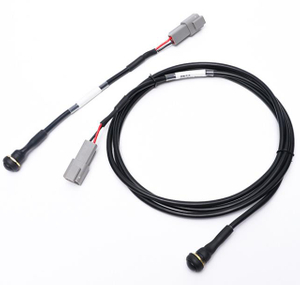
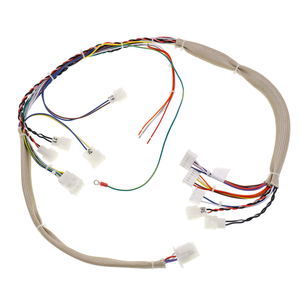
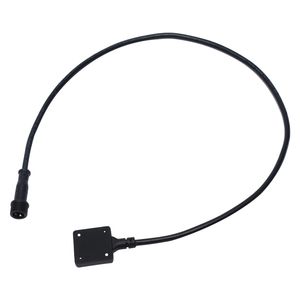
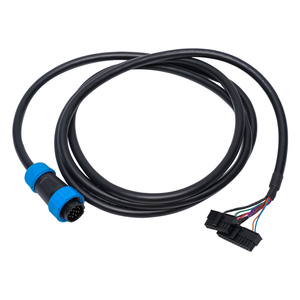
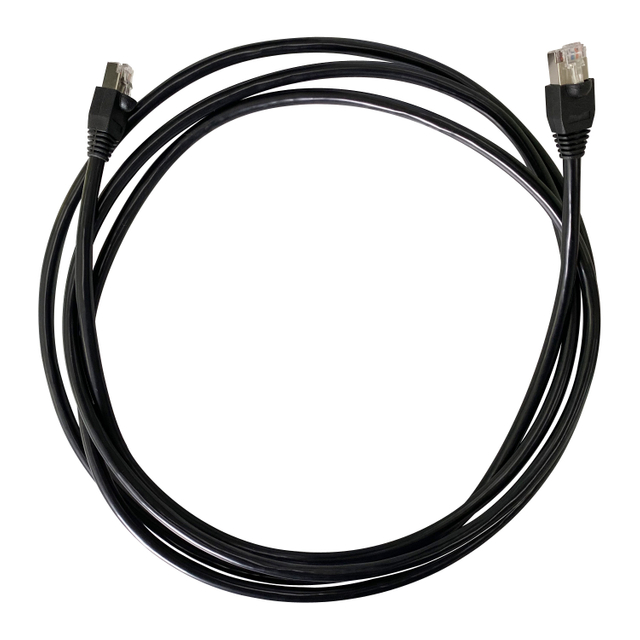
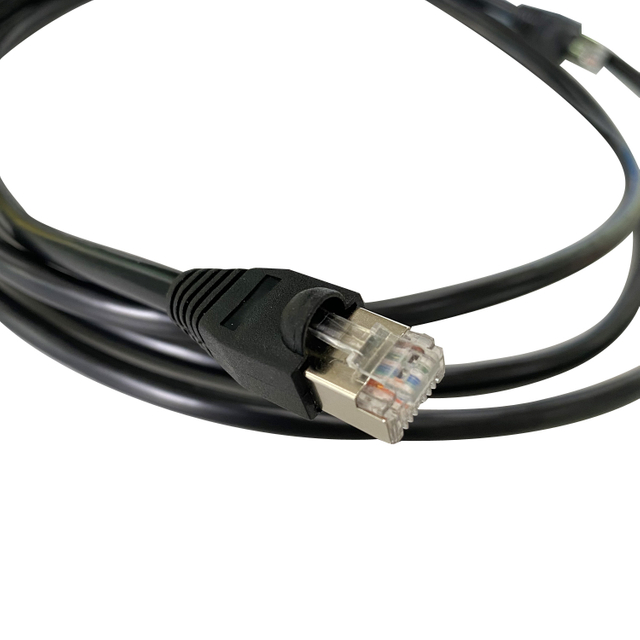
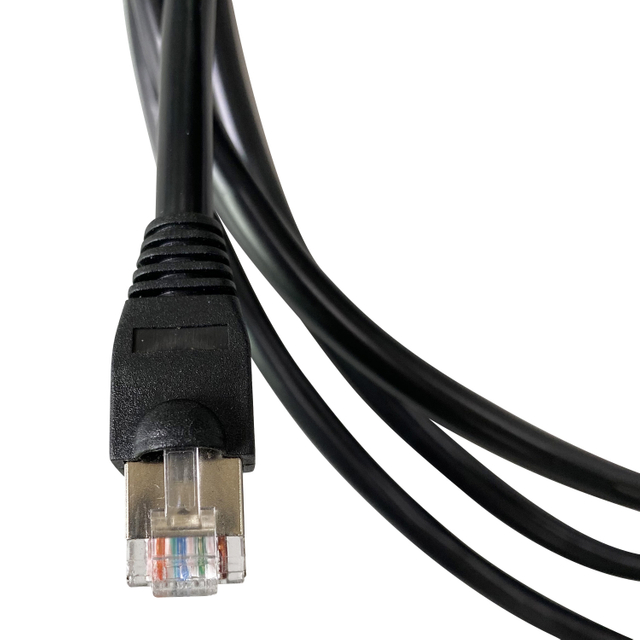
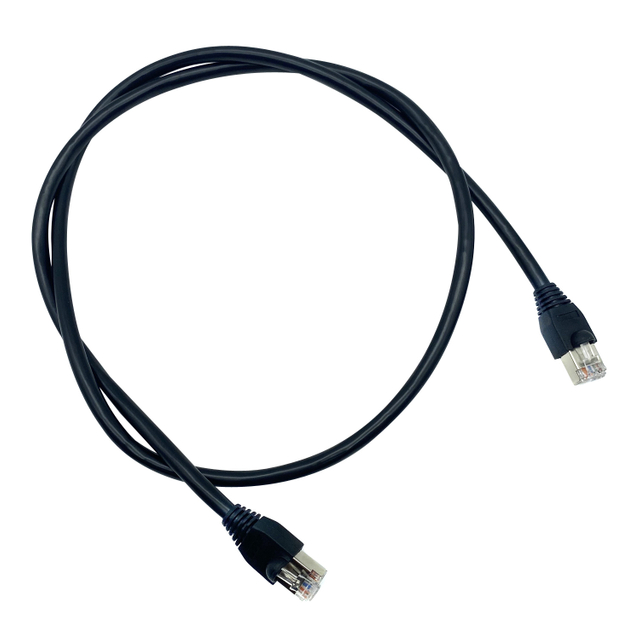
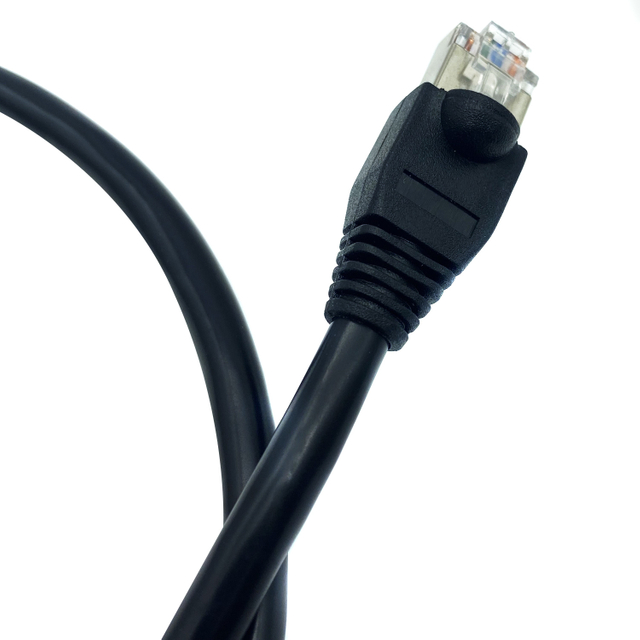
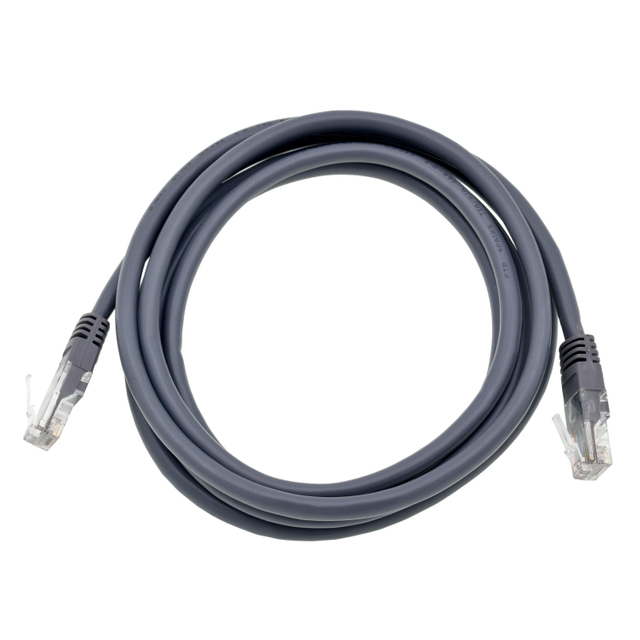
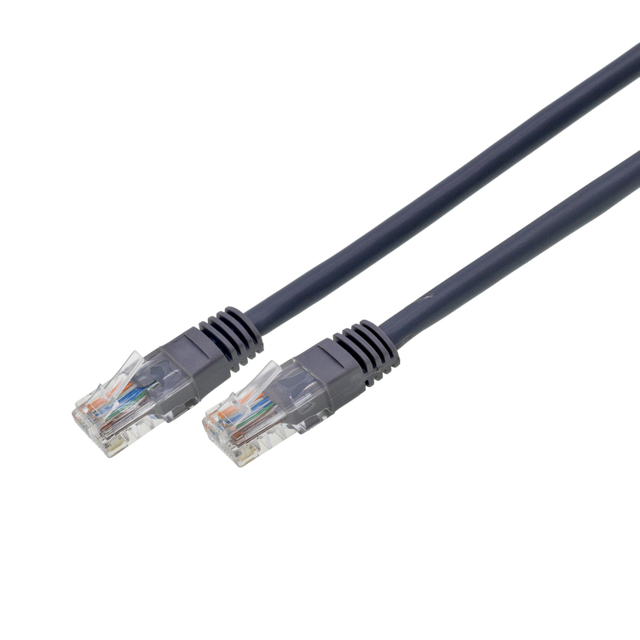
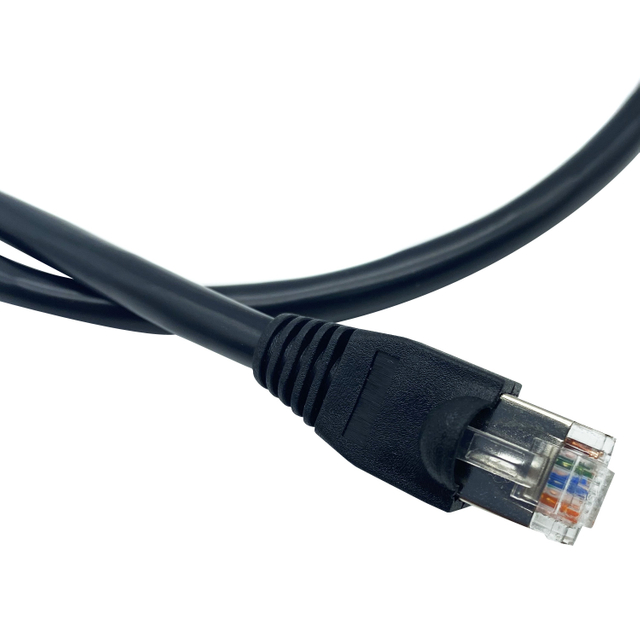
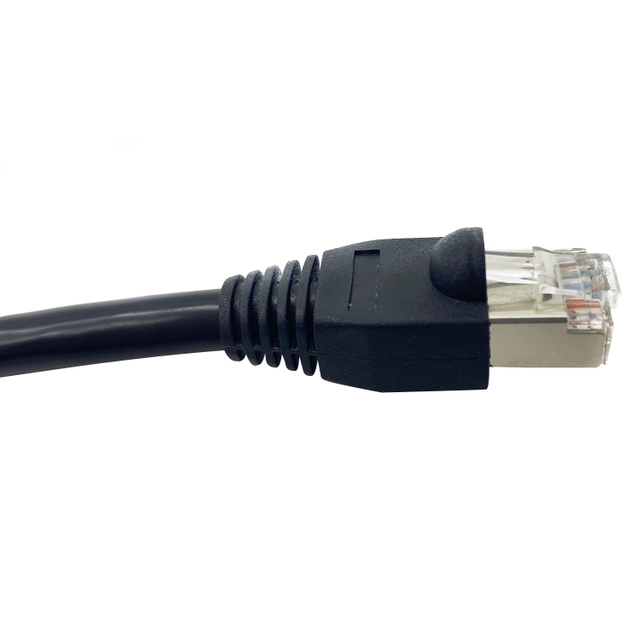
An Ethernet cable carries the broadband signals between your modem, router, computer and other wired internet-capable devices. Ethernet cable is widely used in commerce, resident and industry.
CAT5e is little interference with other electrical cables or devices and is enough for home users.
CAT6 and CAT6A is significantly faster than a CAT5 or CAT5e. CAT6 or CAT6A are suitable for whose who are dealing with a high power network that requires this high speed every day.
Cat7 are meant for long-distance that offers 10 gigabits per second of speed across distances up to 100 meters. It is shielded which means there is almost no possibility of electrical interference with the cable.
FAQs:
1. What categories of Ethernet cable do you offer?
We provide Cat5e, Cat6, Cat6a, Cat7, and custom Ethernet cable assemblies, with options for shielded (STP/FTP) and unshielded (UTP) constructions to match performance needs and installation environments.
2. How do I choose the right Ethernet cable category?
Choose based on network speed and application:
Cat5e for up to 1 Gbps
Cat6 for up to 10 Gbps (shorter runs)
Cat6a / Cat7 for higher bandwidth and longer distances.
Tell us your required data rate, distance, and environment, and we’ll recommend the best cable.
3. Are your Ethernet cables suitable for outdoor or industrial use?
Yes. We offer outdoor‑rated and industrial Ethernet cables with UV‑resistant jackets, enhanced shielding, and rugged construction designed for harsh conditions, machinery environments, and long cable runs.
4. What does shielded vs unshielded Ethernet cable mean?
Shielded Ethernet (STP/FTP) reduces electromagnetic interference, ideal for noisy industrial and data center environments.
Unshielded (UTP) is sufficient for standard office and residential networks and is more flexible and cost‑effective.
5. Can you provide custom Ethernet cable lengths and assemblies?
Yes. We can produce custom‑length cables with specific connectors (RJ45, M12, etc.), custom labeling, and overmolding based on your project specifications and installation layout.
6. How important is cable quality for network performance?
Very important. Higher quality conductors, precise twisting, and proper shielding reduce crosstalk and signal attenuation, resulting in more stable connections, faster speeds, and fewer errors—particularly over long distances.
7. Are OEM or bulk Ethernet cable orders supported?
Yes. We support OEM manufacturing, private labeling, and bulk cable production for system integrators, network installers, and original equipment manufacturers.
8. Do your Ethernet cables meet industry standards?
Yes. Our Ethernet cables comply with TIA/EIA and ISO/IEC performance standards for their respective categories (Cat5e–Cat7), ensuring compatibility and reliable network performance.